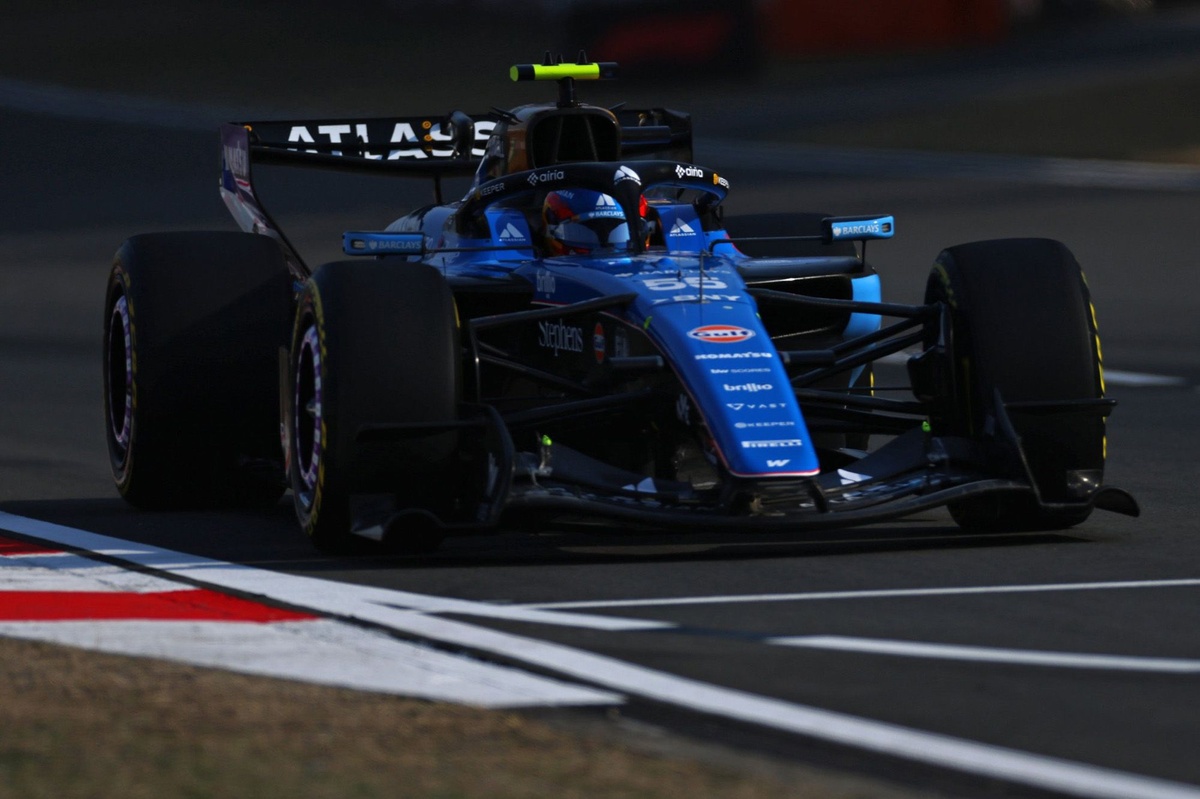
In the recent Chinese Grand Prix, Carlos Sainz demonstrated strategic brilliance by employing a deceptive tactic known as the 'fake DRS train' to gain an advantage over his competitors. As the race neared its conclusion, with only a few laps remaining, Sainz exploited the DRS (Drag Reduction System) window to create a misleading aerodynamic advantage.
The tactic involved positioning himself in a way that simulated the presence of a DRS train, which can influence other drivers' behavior and decisions. By doing so, Sainz effectively lured his rivals into a false sense of security, prompting them to react in ways that ultimately benefited his position on the track.
This clever maneuver allowed Sainz to maintain a competitive edge and avoid being overtaken by faster cars behind him. The strategic use of the DRS window, combined with precise timing and positioning, enabled him to hold onto his ninth-place finish, earning valuable points for his team.
The 'fake DRS train' strategy highlights the importance of tactical thinking in Formula 1, where drivers and teams continuously seek innovative ways to outsmart their opponents. Sainz's approach underscores how psychological tactics and racecraft can be just as crucial as outright speed.
Overall, Sainz's ability to outwit his rivals through this inventive strategy not only secured him a respectable finish but also showcased the evolving nature of race tactics in modern F1. As teams analyze such maneuvers, it’s clear that strategic deception remains a powerful tool in the high-stakes world of Formula 1 racing.